Which Maldives Turtle Tour Is Right for You?
| Tour | Duration | Group size | Best for | Rating | From | |
|---|---|---|---|---|---|---|
| Private turtle snorkel & sandbank | Half day | Private | Turtle-focused, best value | 4.7★ | $40 | Check → |
| Maafushi coral garden & turtle | Full day | Group | Turtles plus lunch | 4.5★ | $60 | Check → |
| Dhangethi island & turtle safari | Full day | Small | South Ari turtle reefs | New | $113 | Check → |
| Ari Atoll 3-point snorkel | Full day | Small | Reefs, mantas & whale sharks | New | $150 | Check → |
| Ukulhas beginner scuba dive | Half day | Small | First-time divers | New | $100 | Check → |
Sea Turtle Species & Best Months in Ari Atoll, Maldives
| Species | January–March | April–June | July–September | October–December | Likelihood |
|---|---|---|---|---|---|
| Green Sea Turtle | Common | Common | Common | Common | Near-guaranteed |
| Hawksbill Turtle | Common | Common | Common | Common | Very likely |
What to Expect on the Day
Board the boat
Meet at your island or resort jetty for a private or small-group boat to the turtle reefs, with gear and a guide.
Bring reef-safe sunscreen; many islands ban regular sunscreen to protect the coral.Reach the reef or sandbank
Cruise across the lagoon to a turtle reef, coral garden or sandbank, watching for dolphins on the way.
Snorkel with the turtles
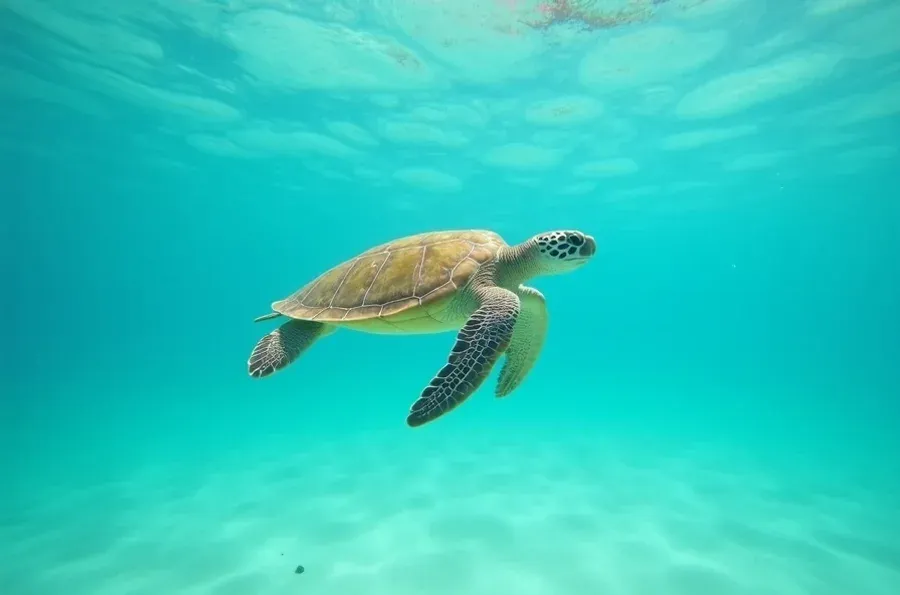
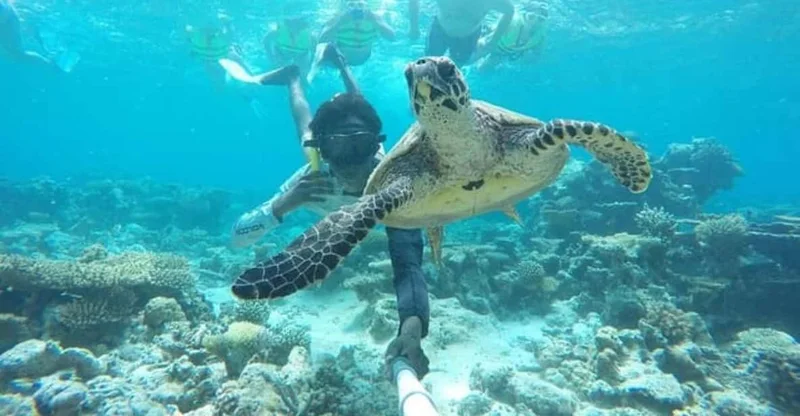
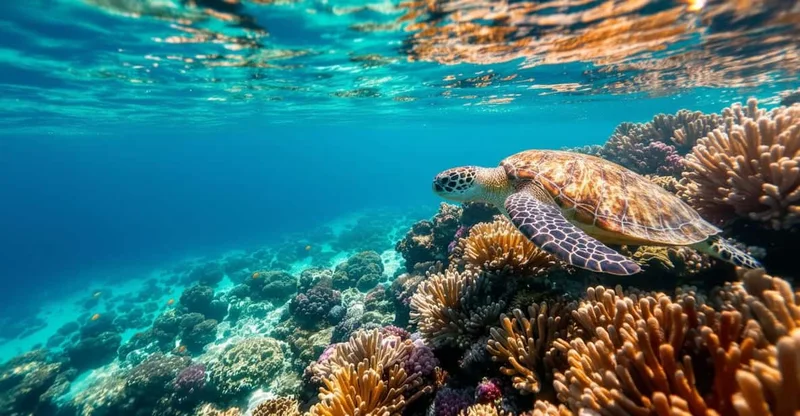
Slip in over the reef where green and hawksbill turtles feed, with your guide pointing out turtles and reef life.
Add a sandbank or second site
Many trips stop at a pristine sandbank or a second snorkel point, and Ari Atoll safaris add manta and whale-shark reefs.
Sea Turtle Behaviors to Watch For
Grazing the Seagrass
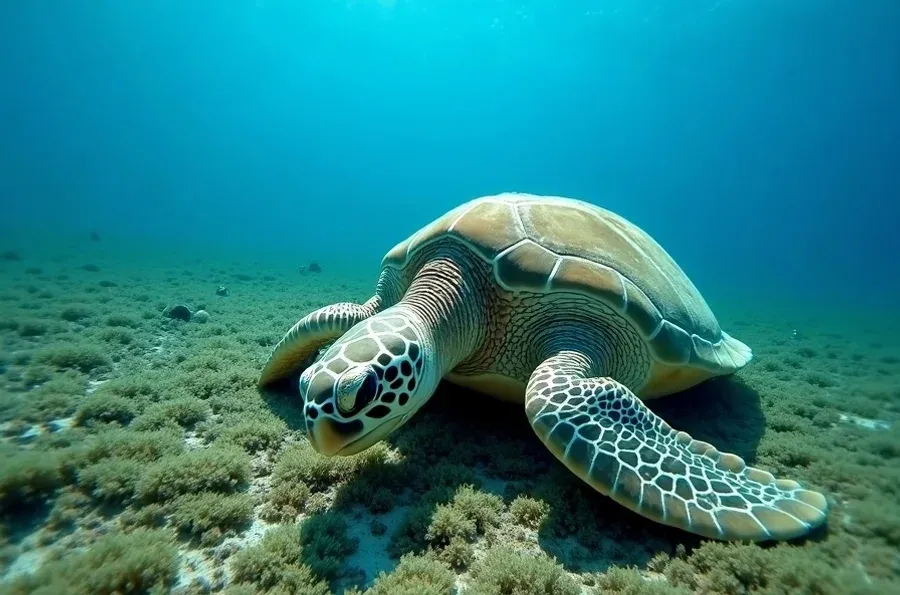
Green turtles graze the seagrass and algae on the reef flats, where snorkelers find them feeding in the shallows.
Foraging the Coral
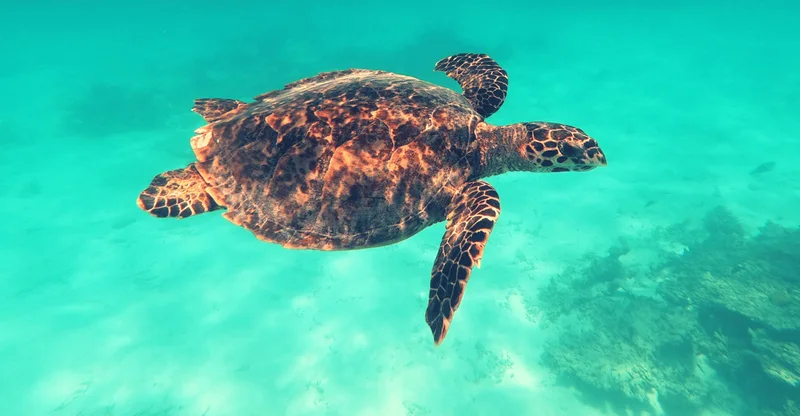
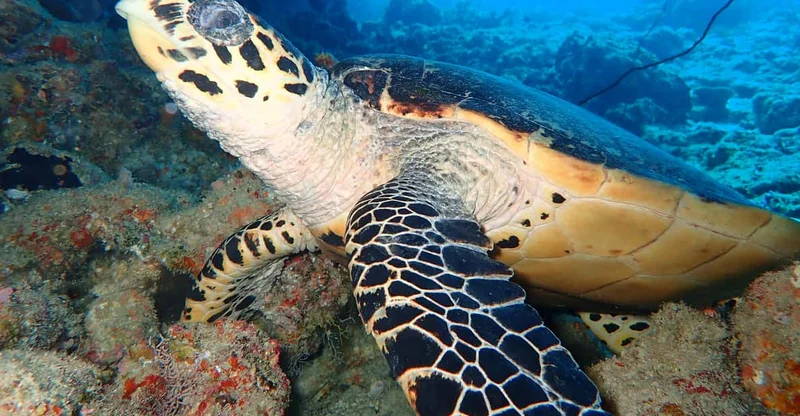
Hawksbill turtles work through the coral for sponges, often ignoring snorkelers who keep a calm distance.
Resting Under Ledges
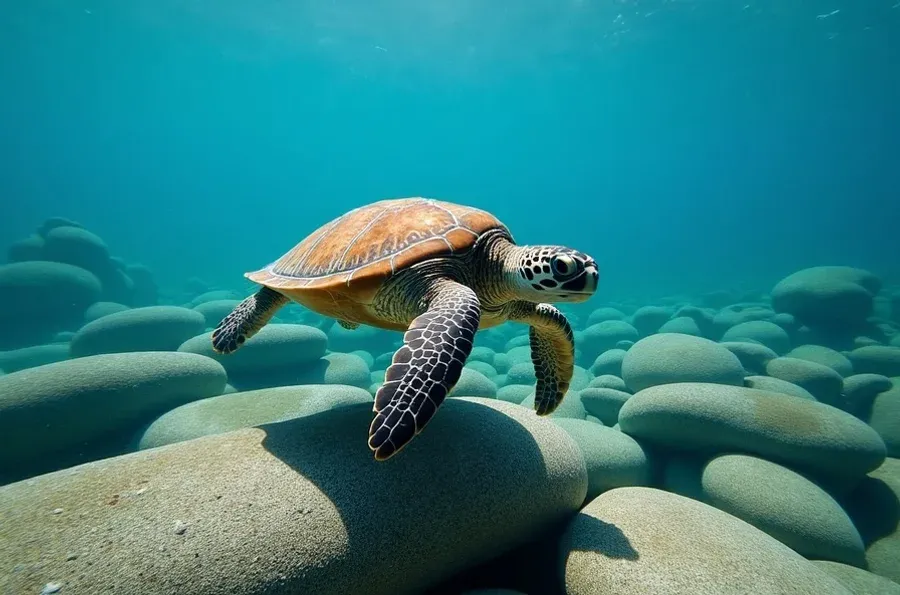
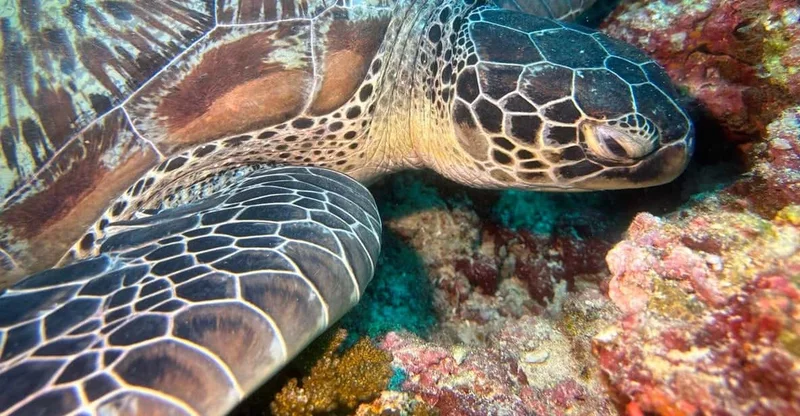
Turtles tuck under coral ledges to rest between feeds. A resting turtle should be watched quietly, not disturbed.
Surfacing to Breathe
Turtles rise for air every few minutes to an hour. Give them a clear path to the surface and never block the space above one.
What to Bring (and What to Leave at Home)
✓ Bring
- Reef-safe (oxybenzone-free) sunscreen
- Swimsuit worn under your clothes
- A rash guard for sun protection in the water
- Towel and a change of clothes
- Waterproof phone case or GoPro
- Cash for tips and extras
- Your booking voucher (printed or phone)
✗ Leave at home
- Regular sunscreen (banned on many islands, harmful to coral)
- Anything you would touch a turtle or the coral with
- Single-use plastics
- Gloves that tempt you to handle marine life
Where Tours Depart From
| Port / Area | Details | Best for |
|---|---|---|
| Maafushi | A local island in South Malé Atoll with budget guesthouses and daily snorkel trips. | Coral garden and turtle boat tours |
| Dhiffushi | A quieter local island in North Malé Atoll, good for private turtle snorkels. | Private turtle and sandbank trips |
| Dhangethi | A South Ari Atoll island near the turtle and whale-shark reefs. | Snorkel safaris and desert islands |
How to Choose an Ethical Tour
What ethical operators do
- Brief a strict no-touch, no-chase policy
- Keep a respectful distance from turtles
- Never block a turtle’s path to the surface
- Require reef-safe sunscreen from all guests
- Cap group sizes for calmer encounters
- Support reef and sea-turtle conservation
Red flags to avoid
- Let guests touch, ride, or chase turtles
- Feed turtles to lure them in
- Crowd or corner a turtle in the water
- Stand on coral or trample seagrass
- Oversized groups with no guide in the water
- Any “hold a turtle” photo op